
Invest in the people who power your company.
Corporate Fit provides an innovative and integrative approach to help companies minimise and manage risk of pain, injury and psychosocial wellbeing in the corporate workforce through proactive intervention strategies.
TRUSTED BY LEADING ORGANISATIONS



WHAT WE DOA proactive,
integrative approach.
We deliver evidence-based programs that address the root causes of pain, injury, and psychosocial strain — before they affect your people and your bottom line. By addressing these issues early and holistically, we support healthier employees, improve workplace productivity, and reduce the significant costs associated with pain, injury, absenteeism, and poor wellbeing.
Not a wellness perk. A performance strategy.
01Physiotherapy
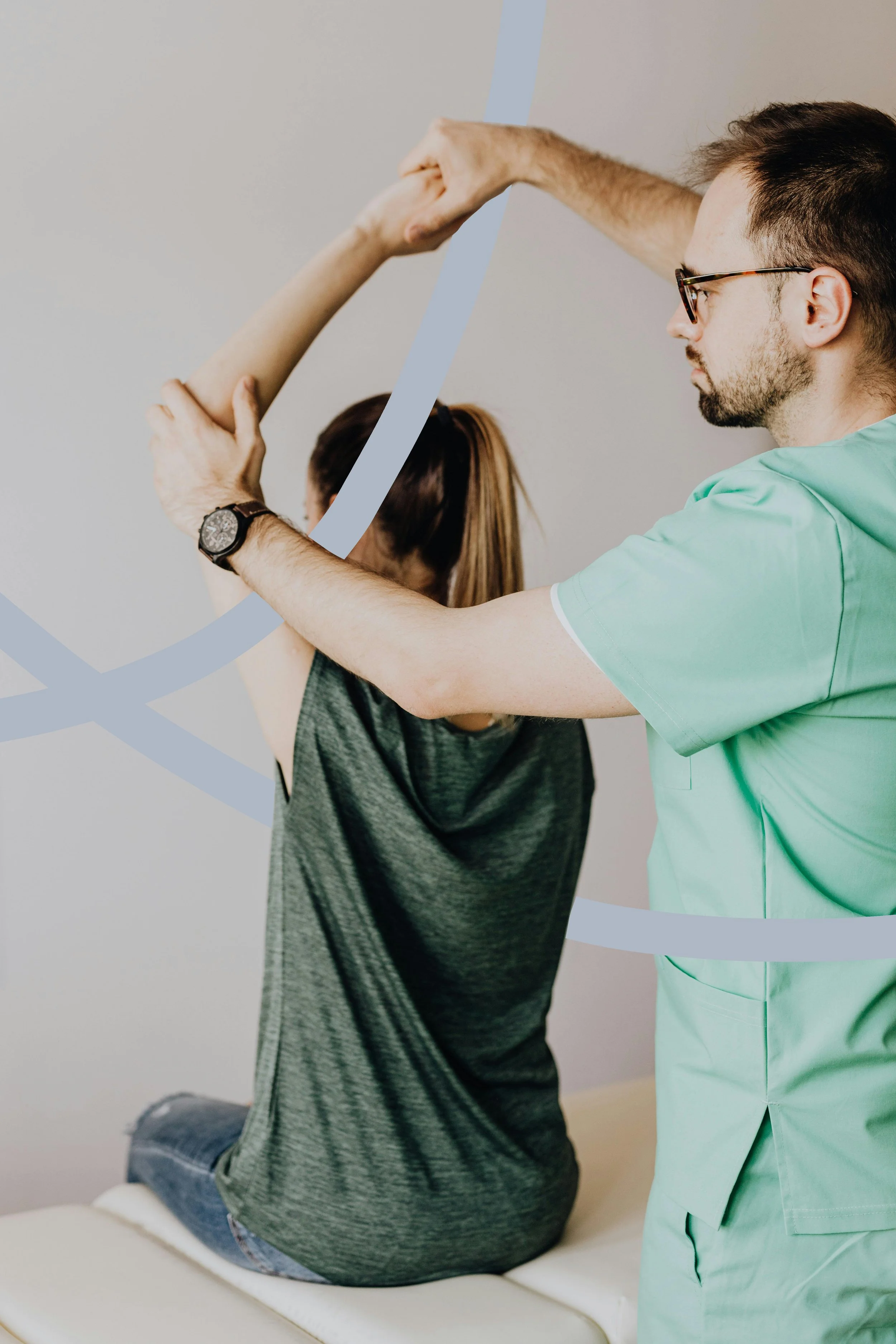
Onsite clinical physiotherapy provides early intervention and ongoing management of musculoskeletal pain and injury — eliminating the barriers that keep employees from getting the care they need.
02Strength & Conditioning
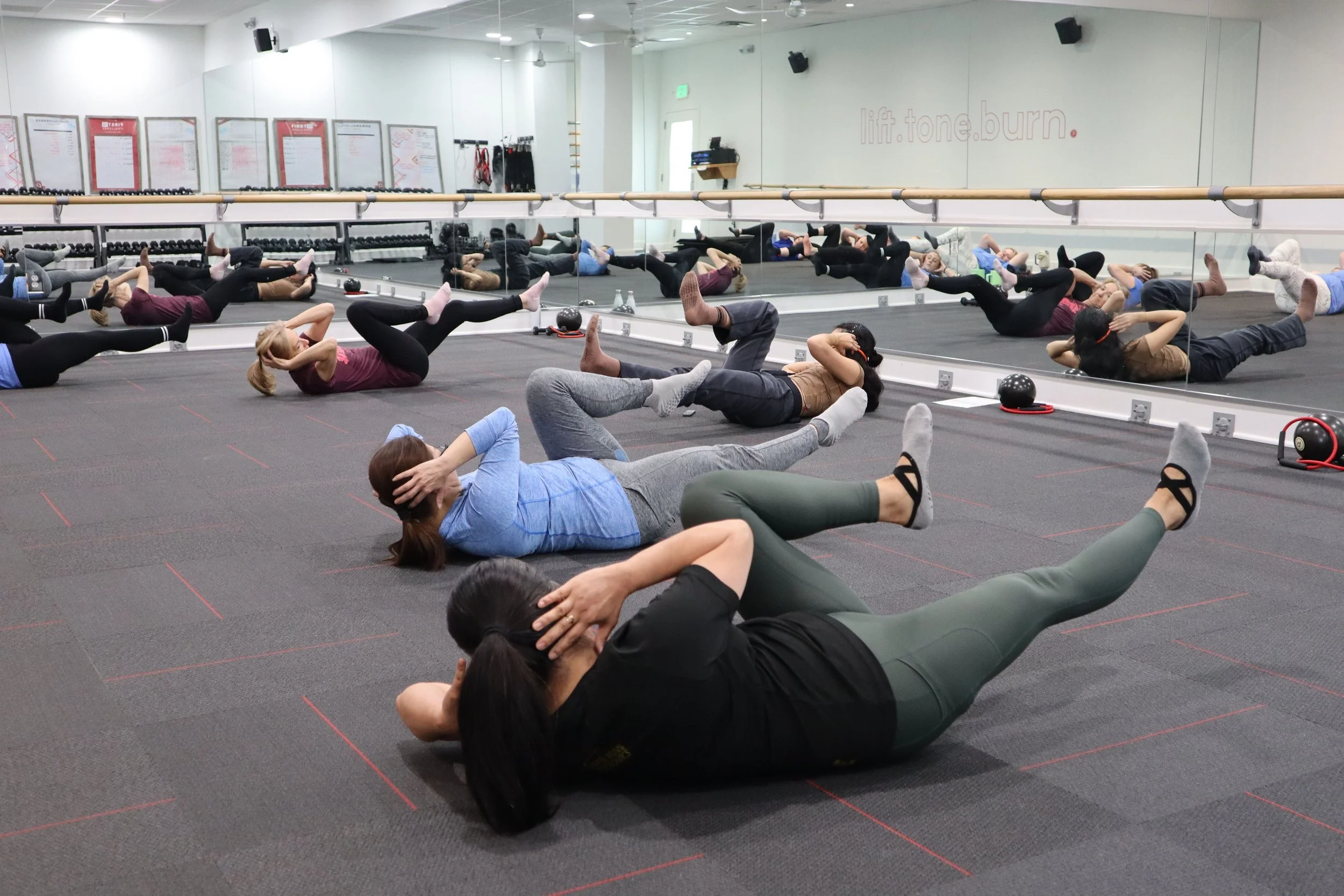
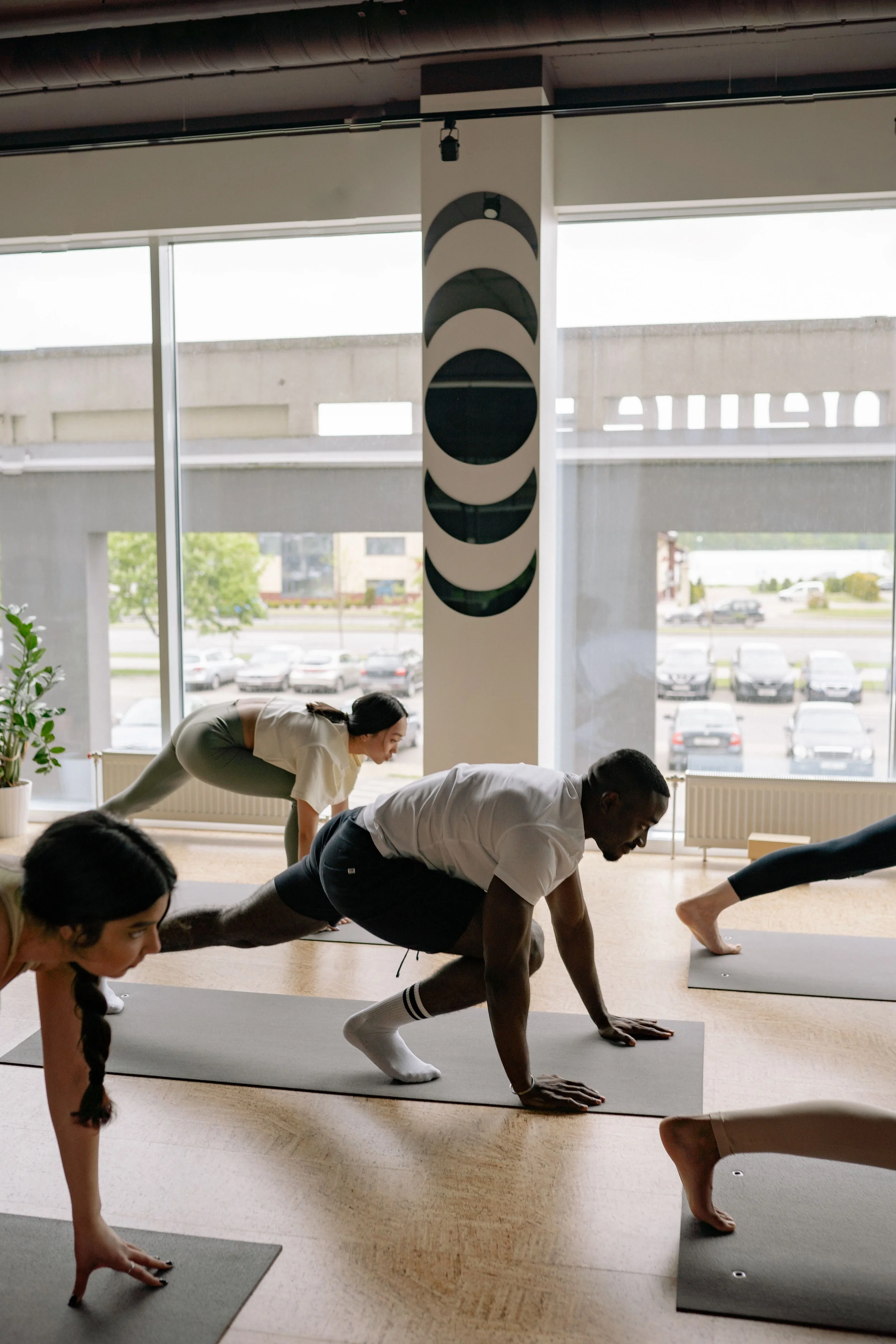
Structured movement programming specifically designed to address the physical demands of corporate work — reducing injury risk, improving capacity, and supporting long-term physical health.
03Psychology & Wellbeing
Individual and group psychology services that address stress, fatigue, and psychosocial health — building resilience, cohesion, and mental performance across your workforce.
04Nutrition & Education
Team nutrition planning, workshops, and education programs that equip employees with practical tools to support energy, recovery, and sustainable performance at work.
“Adam and I spent a fair amount of time talking through each role and their manual handling requirements, and he tailored the session perfectly to suit. Testing the hand strength pre and post workout was a great demonstration of fatigue. It highlighted the increased injury risk during long shifts and the importance of implementing strategies to minimise risk. Adam finished the session with a great talk on the pillars of health, pain and injury prevention.
…One of the biggest benefits I saw during the session was how the team bonded. It was a rare opportunity to have all the new casuals together at the same time and during the session you could see bonds forming and mood lifting. It was such a good session and the team loved it.”
— BART, SYDNEY OPERA HOUSEtHE CHALLENGEThe hidden cost
of an unhealthy workforce.
The data is clear. Corporate workers face a growing crisis of pain, injury, and psychosocial strain — and most organisations aren't equipped to address it proactively.
60–65%
of corporate workers experience musculoskeletal pain or injury in a given year
75.9%
of workers report presenteeism — being at work with significantly reduced productivity due to pain
45.5%
of workers reported absenteeism — missing work entirely — due to pain or injury
90%
of workers experience work-related stress at some point in their career
36%
of corporate workers feel the support they receive is actually adequate.
74%
of workers say burnout is not properly addressed by their employer

Your workforce, at its best.
Book a free 1-month pilot and see what proactive investment in your people can do.
Programs built for your organisation's scale.
Two complementary services — Corporate Fit and Corporate Physio — with programs designed to integrate seamlessly into your business, whether you're piloting or scaling enterprise-wide
cORPORATE FITFull suite
integrative programs.
-
On sight Physiotherapy: 2 days per week
Strength & conditioning sessions: 2 days per week
Psychology service: 1 hour workshop per fortnight
Nutrition service: 1 hour workshop per fortnight
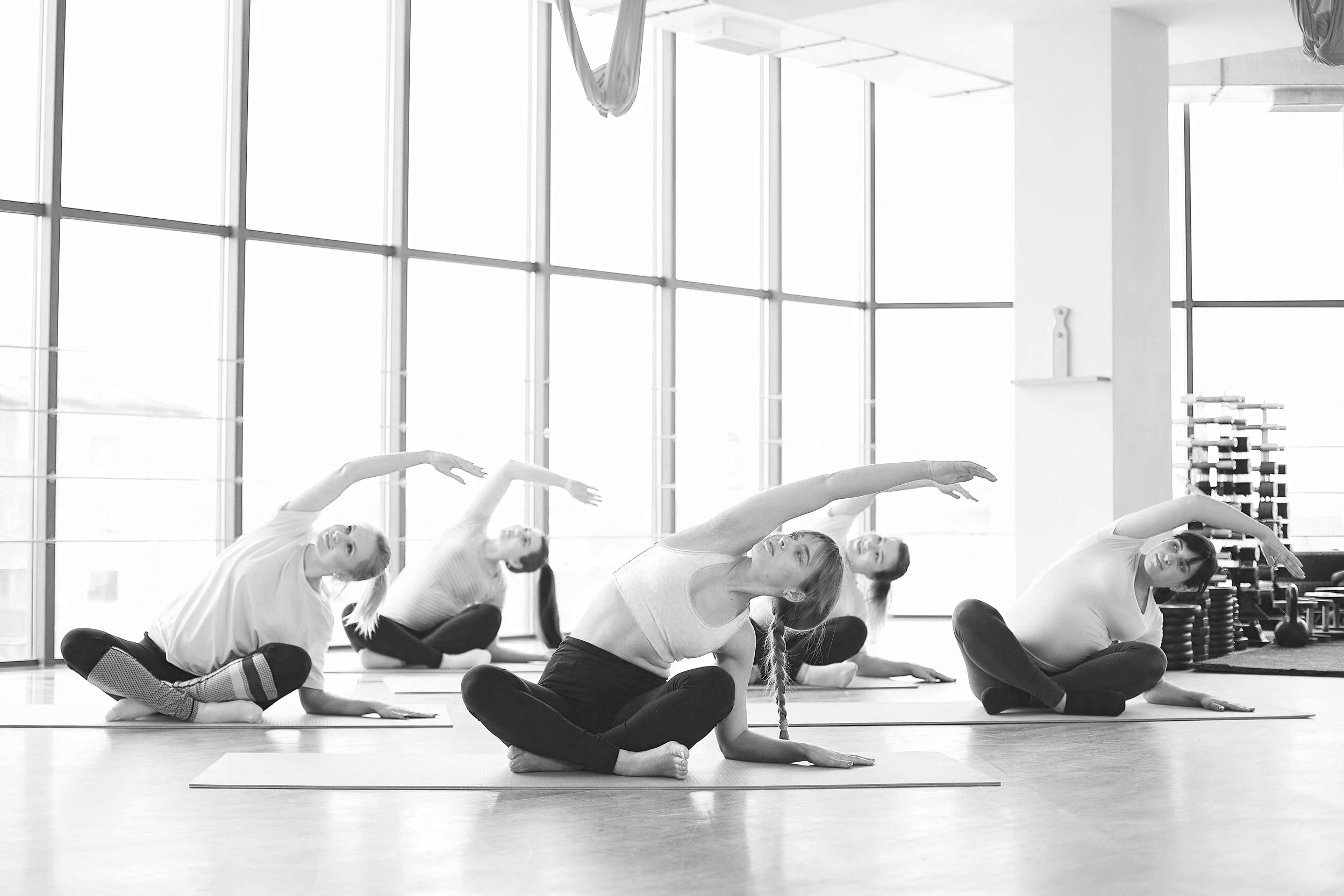
Mobility and movement group class: 1 day per week
Team building and empowerment workshop: 1 workshop
End of trial report
-
On sight Physiotherapy: 2 days per week
Strength & conditioning sessions: 3 days per week
Psychology service:
1:1 service 6 hours per week
1 hour workshop per fortnight
Nutrition service: 1 day per week team nutrition planning/workshop
Mobility and movement group class: 1 day per week
Team building and empowerment workshop: 1 workshop per month
Monthly program performance reporting
End of pilot impact report
Credit option: pilot fee credited toward a 24 month contract if signed within 60 days.
Enterprise Performance
FROM $37,000 pER MONTHCustom Program
FREE TRIAL1-Month Pilot
$45,000 fIXED12-Week Pilot
FROM $26,000 pER MONTHEnterprise
-
Full program management
Full-time on-sight Physiotherapist + 1 other specialist service;
Strength & conditioning: 3 days per week
Psychology service:
1:1 service 6 hours per week
1 hour workshop per fortnight
Nutrition service: 1 day per week team nutrition planning/workshop
Additional inclusions in programme:
Weekly mobility and movement classes: 2 days per week
Team building & empowerment workshop: 1 workshop per month
Health and education workshop: 1 workshop per month
Stress and fatigue monitoring
Program performance monitoring
Bi-annual ROI and impact reporting
Bi-annual executive strategy reporting
-
Full program management
Full-time on-sight Physiotherapist + 2 other specialist services;
Strength & conditioning: 3 days per week
Psychology service:
1:1 service 6 hours per week
1 hour workshop per fortnight
Nutrition service: 1 day per week team nutrition planning/workshop
Additional inclusions in programme:
Weekly mobility and movement classes: 2 days per week
Team building & empowerment workshop: 1 workshop per month
Health and education workshop: 1 workshop per month
Stress and fatigue monitoring
Program performance monitoring
Bi-annual ROI and impact reporting
Bi-annual executive strategy reporting
Enterprise Performance Plus
FROM $50,000 PER MONTH-
Full program management
Full-time on-sight Physiotherapist + all other specialist services;
Strength & conditioning: 3 days per week
Psychology service:
1:1 service 10 hours per week
1 hour workshop per fortnight
Nutrition service: 1 day per week team nutrition planning/workshop
Additional inclusions in programme:
Weekly mobility and movement classes: 2 days per week
Team building & empowerment workshop: 1 workshop per month
Health and education workshop: 1 workshop per month
Stress and fatigue monitoring
Program performance monitoring
Bi-annual ROI and impact reporting
Bi-annual executive strategy reporting
Not sure where to start? Work with the Corporate Fit team to develop your own proactive program to suit your business needs.











CORPORATE PHYSIOPremium on-site physiotherapy.
TRIAL3-Month Pilot
$7,000 pER MONTHPhysiotherapy service:
2 days per weekWellbeing & empowerment:
1 workshop per monthInjury tracking & reporting
ROI reporting
Option to exit or scale program
01Foundation
$11,500 pER MONTHPhysiotherapy service:
2 days per weekWellbeing & empowerment:
1 workshop per monthInjury tracking & reporting
ROI reporting
02Performance
$14,500 pER MONTHPhysiotherapy service:
3 days per weekMobility & movement:
1 class per weekWellbeing & empowerment:
1 workshop per monthHealth & education:
1 workshop per monthInjury tracking & reporting
ROI reporting
03Executive
$17,000 pER MONTHPhysiotherapy service:
4 days per weekMobility & movement:
2 classes per weekWellbeing & empowerment:
1 workshop per fortnightHealth & education:
1 workshop per monthInjury tracking & reporting
ROI reporting

Your frequently asked questions, answered.
-
General data shows that structured corporate workplace intervention plans can reduce pain and injury rates by 43-70%¹, reduce risk of injury by 20-50%², reduce pain related absenteeism by up to 80%¹ and improve functional capacity by 10-30%¹. We aim to understand and integrate with the company to identify what the needs are in your corporate workforce, before structuring a proactive program to help improve pain, injury, psychosocial wellbeing, and the direct and indirect costs associated with these issues.
¹ https://pubmed.ncbi.nlm.nih.gov/38727472
² https://doi.org/10.1177/2165079916629688 -
How will pain and injury data be collected?
Pain and injury data will be captured through multiple channels to ensure accuracy and completeness. This includes tracking all presentations to the onsite physiotherapist, surveying, and monitoring systems to provide insight into injury types, frequency (including recurrence), causes, and affected body areas.How do you assess the impact of pain and injury on employees?
We use structured self-report surveys to evaluate how pain and injury affect employees. These surveys capture perceived productivity loss, physical limitations, and the broader impact on team dynamics and collaboration.How is psychosocial wellbeing measured?
Psychosocial wellbeing is assessed using validated, research-backed questionnaires focused on stress, fatigue, and overall mental wellbeing. These tools provide consistent and reliable data to identify emerging risks. Further, the use of surveying as part of the pain and injury data collection will provide general insight to stress fatigue and wellbeing.How do you ensure the data is accurate and holistic?
We integrate data with internal support functions, including Work Health & Safety (WHS), HR, and counselling services. This cross-functional approach ensures a comprehensive and aligned view of employee health and wellbeing.How frequently is data monitored?
All key metrics—pain, injury, and psychosocial wellbeing—are monitored on a weekly basis using digital platforms or structured reporting tools. This enables timely identification of trends and risks.How are barriers to care and program participation identified?
Employee surveys include targeted questions to uncover barriers to accessing care or engaging with wellbeing initiatives, allowing for continuous program improvement.How is this data used to drive action?
Weekly data tracking supports proactive intervention planning and rapid response to emerging issues. Insights are translated into targeted strategies to reduce injury risk and improve workforce wellbeing.How is performance reported to stakeholders?
Stakeholders receive regular reporting through impact assessments, strategic reviews, and program performance reports. These reports highlight key trends, outcomes, and recommended actions to support informed decision-making. -
What makes this program effective?
The program takes a proactive and holistic approach—addressing not only physical conditioning but also recovery, early intervention, and behavioural factors such as fatigue and sleep. This ensures risks are identified early and managed before they impact operational performance.What measurable outcomes has the program achieved?
Over a three-year period, the program has delivered significant, quantifiable results:A 67% reduction in neck, mid-back, and lower back pain and injury rates
A shift in overall injury risk profile from high risk to low risk
Reduced time spent in the injury phase, enabling faster recovery timelines
Improved ability for pilots to maintain flying capability during injury and recovery periods
How does the program support operational readiness?
By reducing injury rates and accelerating recovery, the program ensures more personnel remain fit for duty. This directly contributes to sustained operational capacity and reduced downtime.How are outcomes tracked and validated?
Program outcomes are measured through ongoing monitoring systems that track pain, 8 injury, fatigue, and recovery metrics, supported by clinical data and regular performance reviews. Alternatively, we understand that some organisations may have internal approaches to monitoring, gathering and storing data, therefore we can integrate with these systems to maintain confidentiality.Sources:
https://doi.org/10.1177/2165079916629688
https://pubmed.ncbi.nlm.nih.gov/38727472/ -
Do you offer pilot programs?
Yes. Pilot programs are available across both Corporate Fit and Corporate Physio services. These pilots are designed to give stakeholders direct experience of how the program integrates into their organisation and influences workforce performance, health, and wellbeing.What is the purpose of a pilot program?
Pilot programs allow organisations to evaluate cultural fit and operational impact before committing to a broader rollout. They provide insights into how the program supports injury reduction, wellbeing, and productivity.What program options are available?
A range of program packages are offered under both Corporate Fit and Corporate Physio. Each package varies in scope and delivery. Detailed descriptions of each offering are available in the Programs section of the website.How are programs tailored to organisational needs?
Programs are built to ensure efficient use of time and resources while still delivering measurable outcomes. From this baseline, programs can be customised in partnership with stakeholders to align with specific organisational goals related to pain, injury, and psychosocial health.How do you ensure successful implementation?
We work closely with key stakeholders to design and implement a strategy that fits seamlessly within existing operations. This includes aligning with business priorities, workforce demands, and internal processes to maximise adoption and impact.How are programs monitored and improved over time?
All programs are continuously reviewed and refined based on performance data and stakeholder feedback. This ensures a proactive approach to risk management, ongoing optimisation, and sustained effectiveness. -
Why is attendance critical to program success?
Consistent participation is a key driver of program outcomes. The effectiveness of the program is directly linked to employees regularly engaging with the prescribed strategies and interventions.How do you make the program accessible to employees?
All program elements are designed for ease of access and practical application within the workday. Strategies are embedded into daily routines to minimise disruption and maximise uptake.What drives employee engagement? Engagement is driven by a combination of:
Demonstrated outcomes and visible impact
Simplicity and ease of use • Empowerment
Developing a positive workplace culture with the programme
How do you build sustained participation over time?
We focus on creating a culture of ownership and accountability, where employees understand the value of the program and are supported to integrate it into their daily work practices. This cultural alignment is key to maintaining long-term engagement and program success. -
What workforce challenge are you solving?
We address the growing impact of pain, injury risk, and psychosocial strain within corporate teams—the “forgotten workforce” that underpins organisational performance. Prolonged desk-based work, high cognitive load, and sustained working hours can negatively affect physical health, mental wellbeing, and overall productivity, creating both direct and indirect costs for organisations.Why is this an important focus for organisations?
While corporate teams are central to business outcomes, their health risks are often underestimated. Unmanaged pain, fatigue, and psychosocial stress can lead to reduced performance, increased absenteeism, and higher long-term health costs.How does your approach differ from traditional wellness programs?
Traditional wellness initiatives often focus on isolated elements of wellbeing, limiting their overall impact. Our approach is multi-dimensional and multidisciplinary—integrating multiple pillars of physical health and psychosocial wellbeing into a single, cohesive program.How do you deliver meaningful and sustained outcomes?
We work closely with organisations to understand their specific needs and operational context. From there, we implement proactive, integrated strategies that target the root causes of pain, injury, and poor psychosocial health—rather than just managing symptoms.How does the program integrate into the organisation?
Our model is designed to align with existing workflows and organisational structures, ensuring minimal disruption and maximum adoption. This enables sustainable improvements in employee wellbeing and, ultimately, organisational performance.
OUR BACKGROUNDWhere performance
meets prevention.
Corporate Fit was founded in 2022 by Adam Trama — Exercise Scientist, Physiotherapist, and Australian Army veteran. We began by supporting the Royal Australian Air Force and its elite fighter jet pilots, responsible for integrated injury risk management across one of the most demanding workforces in the world.
Through this experience, we developed a multi-dimensional framework for proactively reducing pain and injury risk while improving psychosocial wellbeing. Since 2026, we've expanded into the corporate sector — bringing the same rigour, precision, and care to the often-overlooked corporate workforce. We aim to maximise workforce performance and reduce company direct and indirect costs as a result.
NEXT STEPSReady to invest in
your people?
If reducing workplace pain and injury, boosting psychosocial health, improving team performance, and investing in the people who power your company sounds like a priority — fill in the form and we'll be in touch.
Initial consultation
We'll schedule a call to gain a clear understanding of your organisation's priorities and challenges.
1
Dedicated discovery meeting
We'll arrange a dedicated meeting to explore how we can integrate seamlessly into your business and deliver measurable outcomes.
2
Tailored recommendations
We'll present recommendations designed specifically for the needs of your organisation and workforce.
3
We aim to respond within 48 hours. Alternatively, reach us directly at adam@corporatefit.com.au or 0408 700 605.